
When it comes to securing property, livestock, or farmland, choosing the right type of fence is crucial. Many property owners often ask, Is barbed wire better than an electric fence? The answer depends on your goals, budget, and what you are trying to keep in or out.
Both fencing options have their pros and cons. In this article, we’ll compare barbed wire and electric fencing in terms of cost, safety, durability, maintenance, and effectiveness.
Understanding Barbed Wire Fencing
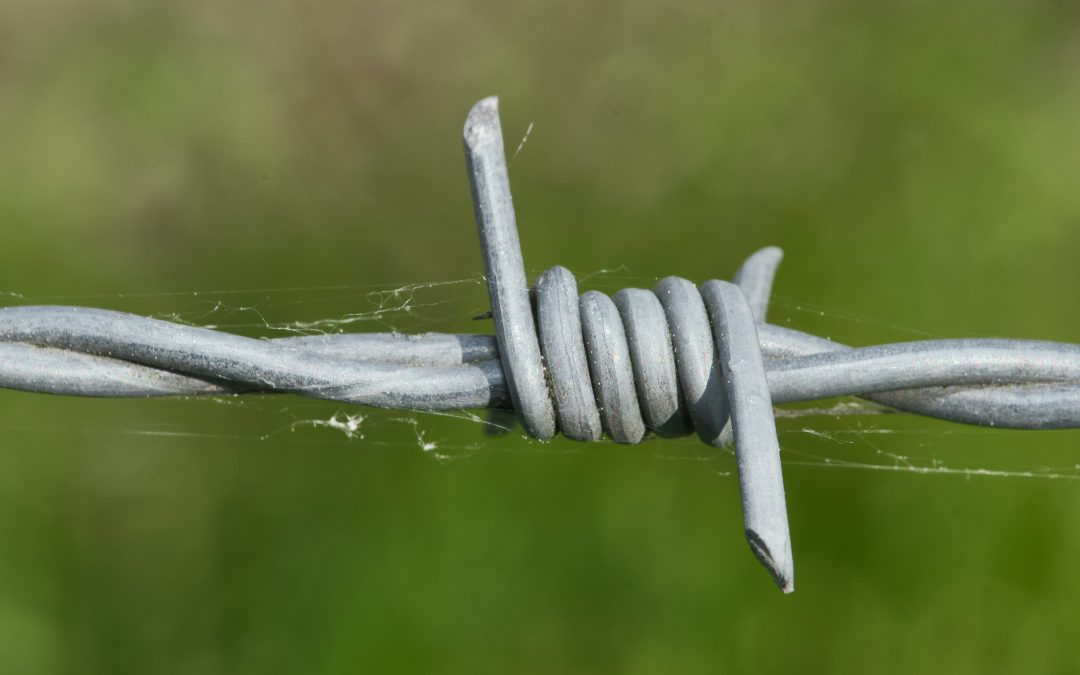
Barbed wire fencing consists of twisted strands of wire with sharp barbs placed at intervals. It is widely used in rural areas, especially for cattle control. The barbs act as a physical deterrent that causes discomfort to animals or intruders who try to cross it.
Pros of Barbed Wire Fencing
- Affordable: Barbed wire is one of the cheapest fencing options available.
- Easy to install: It doesn’t require advanced tools or professional setup.
- Low maintenance: Once installed, it requires minimal upkeep.
- Effective for large areas: Ideal for farms, pastures, and ranches.
Cons of Barbed Wire Fencing
- Potential for injury: The sharp barbs can harm animals or humans.
- Not flexible: It may not work well with all types of livestock, especially smaller or delicate animals.
- Limited deterrent: Determined intruders or animals may still break through.
What Is an Electric Fence?
An electric fence uses a mild electric shock to keep animals or trespassers from crossing the boundary. It consists of conductive wires connected to an energizer powered by electricity or solar energy.
Pros of Electric Fencing
- Highly effective deterrent: The shock teaches animals to avoid the fence after one or two touches.
- Safer than it sounds: The current is strong enough to startle, but not to cause harm.
- Flexible design: Can be installed temporarily or permanently, and adjusted as needed.
- Ideal for various animals: Works well for sheep, goats, horses, and poultry.
Cons of Electric Fencing
- Requires power: Needs a constant electricity source or solar panel.
- More maintenance: Grass, weeds, or fallen branches can interrupt the current.
- Higher upfront cost: More expensive than barbed wire in terms of setup.
- Not ideal in remote areas: May be difficult to power without access to electricity.
Is Barbed Wire Better Than an Electric Fence?
This question depends on your priorities. Let’s break it down based on different criteria.
Cost Comparison
If you are looking for the most affordable solution, barbed wire wins. It’s cheaper to buy and install, especially over large areas. Electric fencing, while more effective in many cases, comes with a higher initial investment due to equipment and power requirements.
Safety for Animals and People
Electric fences are generally considered safer. They cause brief discomfort without physical harm. Barbed wire can cut skin and cause injuries to both animals and humans. If safety is a top concern, electric fencing is the better choice.
Maintenance and Longevity
Barbed wire requires less frequent maintenance. However, once damaged or rusted, it may need complete replacement. Electric fences require regular monitoring to ensure the current is working. If vegetation touches the wire, the system may lose effectiveness.
Ease of Installation
Barbed wire is easier to install without specialized tools. Electric fencing may require setup knowledge, grounding, and an energizer. But modern kits and solar options have made electric fences easier to manage than before.
Deterrent Effectiveness
Electric fencing offers a stronger behavioral deterrent. Most animals learn quickly to avoid it after one shock. Barbed wire may not be as effective for intelligent or stubborn animals like goats or for determined intruders.
When to Choose Barbed Wire
- You are fencing a large property on a low budget.
- The area is remote with no electricity.
- Your livestock is large and calm, such as cattle.
- You don’t need high-security features.
When to Choose Electric Fencing
- You want to protect a smaller area with higher control.
- Safety is important for pets, children, or sensitive animals.
- You need a flexible or portable fencing solution.
- You want to secure your property against intruders without causing harm.
Can You Combine Both?
Yes. Many property owners combine barbed wire and electric fencing. A common method is to install barbed wire at the bottom or top and run an electric wire at animal height. This approach gives you the benefits of both physical and psychological barriers.
Final Thoughts
So, is barbed wire better than an electric fence? Not always. Each has its advantages depending on the specific needs of your property.
Barbed wire is better if you want a low-cost, low-maintenance solution for large areas. Electric fencing is better if safety, deterrent power, and flexibility are your main priorities.
Evaluate your fencing goals, available power sources, and the type of animals or threats you’re dealing with before making a decision. In many cases, a combination of both fencing types might offer the best long-term results.