
Choosing a new fence is a bigger decision than many homeowners expect. A fence affects your property’s appearance, privacy, security, maintenance requirements, and even long-term costs. Two of the most popular fencing materials today are wood and vinyl, and each comes with its own advantages and drawbacks.
At first glance, the choice may seem simple. Some people love the natural beauty of wood, while others prefer the low-maintenance appeal of vinyl. However, factors such as durability, cost, upkeep, and climate can all influence which option makes the most sense for your property.
If you’re researching a wood vs vinyl fencing comparison, understanding the strengths and weaknesses of both materials can help you make a confident decision. The right fence should fit your budget, complement your home, and meet your long-term needs.
Let’s take a closer look at how wood and vinyl fencing compare across several important categories.
Why Fence Material Matters
A fence is a long-term investment.
Unlike smaller landscaping projects, fencing often remains in place for many years. Choosing the wrong material can result in unnecessary maintenance, repairs, or replacement costs.
When comparing fence materials, homeowners typically consider:
- Appearance
- Durability
- Maintenance
- Cost
- Privacy
- Environmental impact
- Lifespan
Understanding these factors can make the decision process much easier.
Appearance and Curb Appeal
One of the biggest differences in any wood vs vinyl fencing comparison is appearance.
Wood Fencing
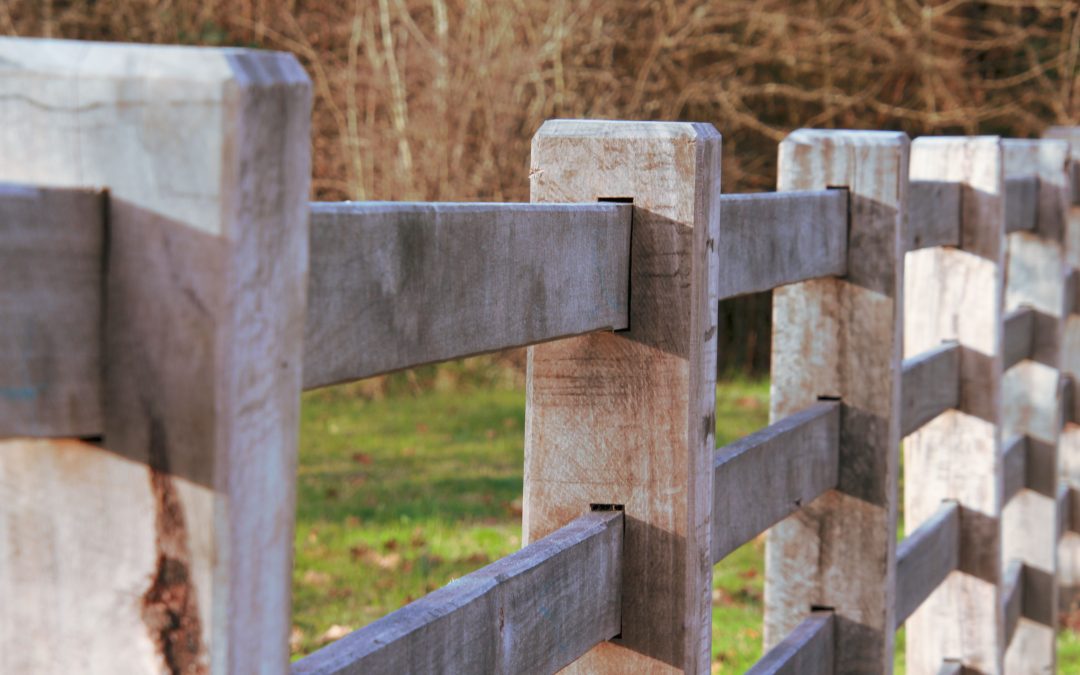
Wood offers a classic and natural look that many homeowners find appealing.
Popular wood choices include:
- Cedar
- Pine
- Redwood
Wood can be stained or painted in various colors, allowing for greater customization.
Many homeowners appreciate the warmth and character that natural wood provides.
Vinyl Fencing
Vinyl fencing offers a clean and polished appearance.
Modern vinyl products are available in:
- White
- Tan
- Gray
- Wood-look finishes
Vinyl maintains a consistent appearance over time because it does not require repainting or staining.
For homeowners seeking a sleek and uniform look, vinyl can be very attractive.
Initial Cost Comparison
Budget often plays a major role when selecting a fence.
Wood Fence Costs
Wood fencing generally has a lower upfront cost than vinyl.
This makes wood appealing for homeowners working within a limited budget.
Costs vary depending on:
- Wood species
- Fence height
- Design complexity
- Local labor rates
Vinyl Fence Costs
Vinyl fencing usually requires a higher initial investment.
Materials tend to cost more than traditional wood products.
However, the higher purchase price may be offset by reduced maintenance expenses over time.
When evaluating cost, it’s important to consider both short-term and long-term expenses.
Maintenance Requirements
Maintenance is one area where wood and vinyl differ significantly.
Maintaining Wood Fences
Wood requires regular care to maintain its appearance and structural integrity.
Typical maintenance tasks include:
- Staining
- Painting
- Sealing
- Repairing damaged boards
Without proper maintenance, wood can be vulnerable to:
- Rot
- Moisture damage
- Insect activity
- Warping
Many homeowners enjoy the look of wood but should be prepared for ongoing upkeep.
Maintaining Vinyl Fences
Vinyl fencing is known for its low-maintenance nature.
Most vinyl fences only require:
- Occasional rinsing
- Mild soap cleaning
- Basic inspections
Vinyl does not require painting, staining, or sealing.
For busy homeowners, this convenience is often a major advantage.
Durability and Lifespan
Another important factor in a wood vs vinyl fencing comparison is durability.
Wood Durability
Wood fences can last many years when properly maintained.
However, exposure to weather can gradually affect the material.
Potential issues include:
- Cracking
- Splitting
- Rotting
- Pest damage
Regular maintenance helps extend lifespan significantly.
Vinyl Durability
Vinyl is highly resistant to many common fencing problems.
It will not:
- Rot
- Attract termites
- Require repainting
Many vinyl fences remain in good condition for decades with minimal care.
However, extreme impacts can sometimes crack vinyl panels.
Weather Resistance
Climate plays a major role in fence performance.
Wood in Various Climates
Wood performs well in many environments but can be affected by:
- Heavy rainfall
- High humidity
- Intense sunlight
Protective treatments help reduce weather-related damage.
Vinyl in Various Climates
Vinyl handles moisture exceptionally well.
Because it does not absorb water, it resists many issues associated with wet conditions.
However, very cold temperatures may make some vinyl materials more brittle.
Understanding local climate conditions can help determine which option is best for your property.
Privacy and Security
Both wood and vinyl can provide excellent privacy.
Popular privacy fence styles are available in both materials.
Benefits include:
- Reduced visibility
- Improved security
- Noise reduction
- Increased outdoor comfort
The level of privacy depends more on fence design than on material alone.
Solid-panel options are available in both wood and vinyl.
Environmental Considerations
Many homeowners consider environmental impact when choosing building materials.
Wood as a Renewable Resource
Wood is a natural and renewable material when sourced responsibly.
Some homeowners prefer wood because of its traditional and biodegradable nature.
Vinyl Production Considerations
Vinyl is manufactured from synthetic materials.
While it offers longevity and reduced maintenance, some environmentally conscious homeowners may prefer natural alternatives.
Each material presents different environmental advantages and challenges.
Customization Options
Customization can influence your final decision.
Wood Customization
Wood offers extensive flexibility.
You can:
- Paint any color
- Apply stains
- Create custom designs
- Modify fence styles easily
This versatility makes wood appealing for unique projects.
Vinyl Customization
Vinyl options continue to expand, but customization remains somewhat more limited than wood.
Most adjustments must be selected during installation rather than modified later.
Repairs and Replacement
No fence lasts forever.
Repairing Wood
Individual boards can often be replaced easily.
Small repairs are generally straightforward and affordable.
Repairing Vinyl
Vinyl requires less maintenance overall, but repairs can sometimes be more complex.
Depending on the damage, entire panels may need replacement.
Understanding potential repair requirements is an important part of long-term planning.
Property Value and Buyer Appeal
Both wood and vinyl fencing can enhance property value when properly installed and maintained.
Some buyers prefer:
- The natural appearance of wood
Others appreciate:
- The low-maintenance nature of vinyl
Local market preferences may influence which material provides the greatest appeal in your area.
Which Fence Is Best for You?
The answer depends on your priorities.
Wood may be ideal if you:
- Prefer a natural appearance
- Enjoy customization
- Have a smaller upfront budget
Vinyl may be ideal if you:
- Want minimal maintenance
- Value long-term durability
- Prefer a clean, consistent appearance
There is no universal winner because every homeowner has different goals and preferences.
Conclusion
A thorough wood vs vinyl fencing comparison reveals that both materials offer valuable benefits. Wood provides timeless beauty, customization options, and a lower initial cost. Vinyl offers exceptional durability, weather resistance, and minimal maintenance requirements.
The best choice depends on your budget, maintenance expectations, climate, and personal style preferences. By carefully considering each factor, you can select a fence that enhances your property, provides lasting value, and meets your needs for years to come.