
A fence can do much more than mark the boundary of your property. The right fence can improve privacy, boost security, enhance curb appeal, and even increase your home’s value. With so many materials, styles, and designs available today, choosing the perfect fence can feel overwhelming.
Many homeowners focus only on appearance, but a fence is a long-term investment that should also meet practical needs. Before making a decision, it is important to consider factors such as purpose, maintenance, durability, budget, and local regulations.
If you’ve been wondering how to choose the right fence for your home, this guide will walk you through the most important considerations so you can make a confident choice.
Start by Identifying Your Primary Goal
Before comparing fence materials or designs, think about why you want a fence in the first place.
Different homeowners have different priorities, including:
- Privacy
- Security
- Pet containment
- Child safety
- Property boundaries
- Noise reduction
- Decorative appeal
Your primary goal will significantly influence the type of fence that makes the most sense.
For example, a decorative picket fence may look beautiful but offers very little privacy, while a tall solid-panel fence provides excellent seclusion.
Understanding your main objective is the first step in learning how to choose the right fence for your home.
Consider Your Home’s Architectural Style
A fence should complement your home rather than compete with it.
Think about your home’s design style:
- Traditional
- Modern
- Farmhouse
- Colonial
- Contemporary
- Craftsman
For example:
- Modern homes often pair well with horizontal slat fencing.
- Traditional homes frequently look great with wood or vinyl picket fences.
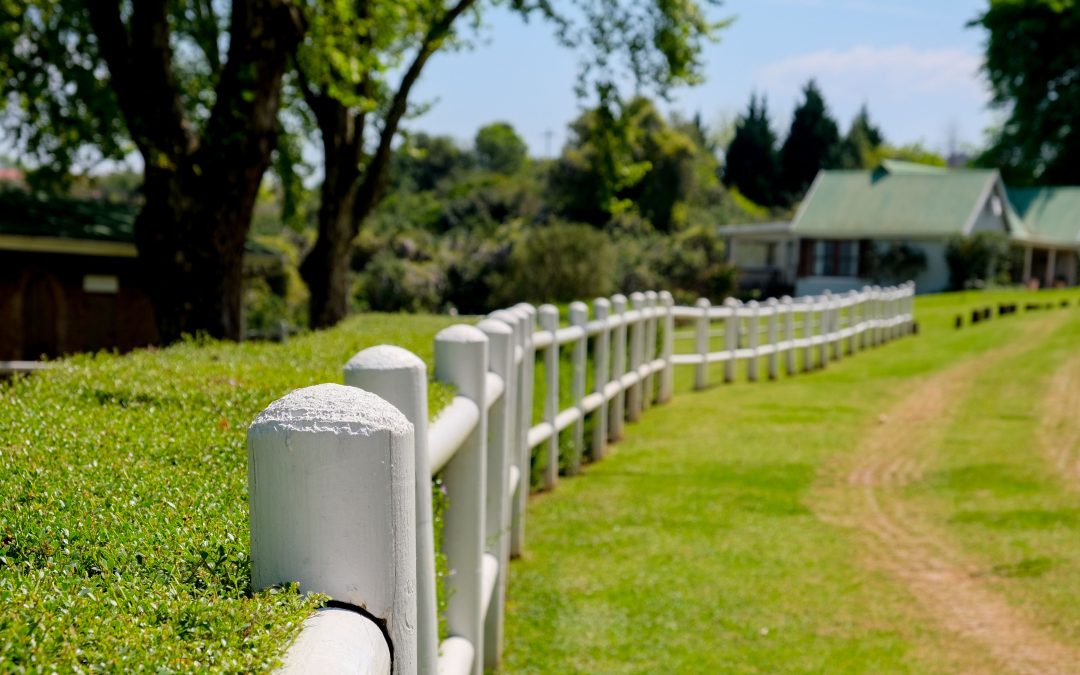
- Farmhouse properties may suit split-rail fencing.
- Contemporary homes often feature metal or composite fencing.
A well-matched fence creates a cohesive appearance and enhances curb appeal.
Understand the Most Popular Fence Materials
Each fencing material offers unique advantages and disadvantages.
Let’s look at the most common options.
Wood Fencing
Wood remains one of the most popular fencing materials.
Benefits include:
- Natural appearance
- Design flexibility
- Strong privacy options
- Easy customization
Potential drawbacks include:
- Regular maintenance
- Painting or staining requirements
- Vulnerability to moisture and insects
Wood is ideal for homeowners who value classic aesthetics and do not mind occasional upkeep.
Vinyl Fencing
Vinyl has become increasingly popular due to its low-maintenance nature.
Advantages include:
- No painting required
- Resistant to rot
- Easy cleaning
- Long lifespan
Drawbacks may include:
- Higher upfront costs
- Limited repair options if damaged
Vinyl works well for homeowners seeking durability with minimal maintenance.
Aluminum Fencing
Aluminum fencing offers a clean and elegant appearance.
Benefits include:
- Rust resistance
- Low maintenance
- Lightweight construction
- Attractive design options
However, aluminum provides less privacy than solid-panel fences.
It is often chosen for decorative purposes and property boundaries.
Chain-Link Fencing
Chain-link fencing remains a practical and budget-friendly option.
Advantages include:
- Affordability
- Durability
- Easy installation
- Minimal maintenance
While highly functional, chain-link fencing offers limited privacy and aesthetic appeal.
Composite Fencing
Composite fencing combines wood fibers with synthetic materials.
Benefits include:
- Low maintenance
- Resistance to rot
- Long lifespan
- Attractive appearance
The initial investment may be higher, but many homeowners appreciate its durability and reduced maintenance requirements.
Think About Privacy Needs
Privacy is one of the most common reasons homeowners install fences.
If privacy is a priority, consider:
- Solid wood panels
- Vinyl privacy fencing
- Composite privacy fencing
These options can help block:
- Neighbor views
- Street traffic
- Outdoor distractions
According to various real estate studies, privacy remains one of the most desired outdoor features among homeowners.
A privacy fence can make outdoor spaces feel more comfortable and enjoyable.
Evaluate Security Requirements
Security considerations vary from one property to another.
If security is important, look for features such as:
- Taller fence heights
- Strong materials
- Secure gate systems
- Limited footholds for climbing
Common security-oriented options include:
- Aluminum fencing
- Steel fencing
- Privacy fencing
- Composite fencing
A well-designed fence can serve as an effective deterrent while maintaining visual appeal.
Factor in Maintenance Requirements
Some fences require more attention than others.
Before choosing a material, ask yourself how much maintenance you’re willing to perform.
Higher-maintenance options:
- Natural wood
Lower-maintenance options:
- Vinyl
- Aluminum
- Composite
Routine maintenance may include:
- Painting
- Staining
- Cleaning
- Repairs
- Rust prevention
Selecting a fence that matches your maintenance preferences can save time and money over the years.
Check Local Regulations and HOA Rules
One of the most overlooked aspects of how to choose the right fence for your home is understanding local requirements.
Depending on your location, regulations may govern:
- Fence height
- Materials
- Placement
- Design standards
- Property line setbacks
If you belong to a homeowners association (HOA), additional rules may apply.
Always review requirements before purchasing materials or scheduling installation.
Consider Climate and Weather Conditions
Your local climate can affect fence performance.
For example:
- Humid regions may accelerate wood deterioration.
- Coastal areas may expose materials to salt air.
- High-wind regions require strong structural support.
- Extreme temperatures can impact certain materials.
Choosing a fence suited to your environment can improve longevity and reduce maintenance.
Weather-resistant materials often provide better long-term value.
Balance Cost and Long-Term Value
Budget plays a major role in fence selection.
However, the cheapest option is not always the most economical over time.
When comparing costs, consider:
- Initial installation
- Maintenance expenses
- Repair costs
- Lifespan
For example, a low-cost wood fence may require ongoing maintenance, while a higher-priced vinyl fence may have lower long-term expenses.
Looking beyond the initial price helps ensure better value.
Think About Future Property Value
A well-designed fence can contribute positively to property value and buyer appeal.
Potential homebuyers often appreciate features such as:
- Privacy
- Security
- Attractive landscaping
- Defined property boundaries
According to real estate professionals, exterior improvements that enhance curb appeal can positively influence buyer perceptions.
A fence that complements the home may become a selling point in the future.
Choose a Professional Installation When Needed
Fence installation may appear straightforward, but many projects involve challenges such as:
- Uneven terrain
- Property line concerns
- Gate alignment
- Permit requirements
Professional installers can help ensure proper placement and structural stability.
While DIY installation works for some homeowners, complex projects often benefit from professional expertise.
Conclusion
Learning how to choose the right fence for your home involves much more than selecting a design you like. The ideal fence balances appearance, functionality, maintenance, durability, and budget while meeting your specific goals.
By considering privacy needs, security requirements, local regulations, material options, and long-term maintenance, you can make a choice that enhances your property for years to come. A thoughtfully selected fence not only improves your outdoor space but also contributes to your home’s overall value, comfort, and curb appeal.
Taking the time to evaluate your options today can help you avoid costly mistakes and enjoy the benefits of the perfect fence for years ahead.