
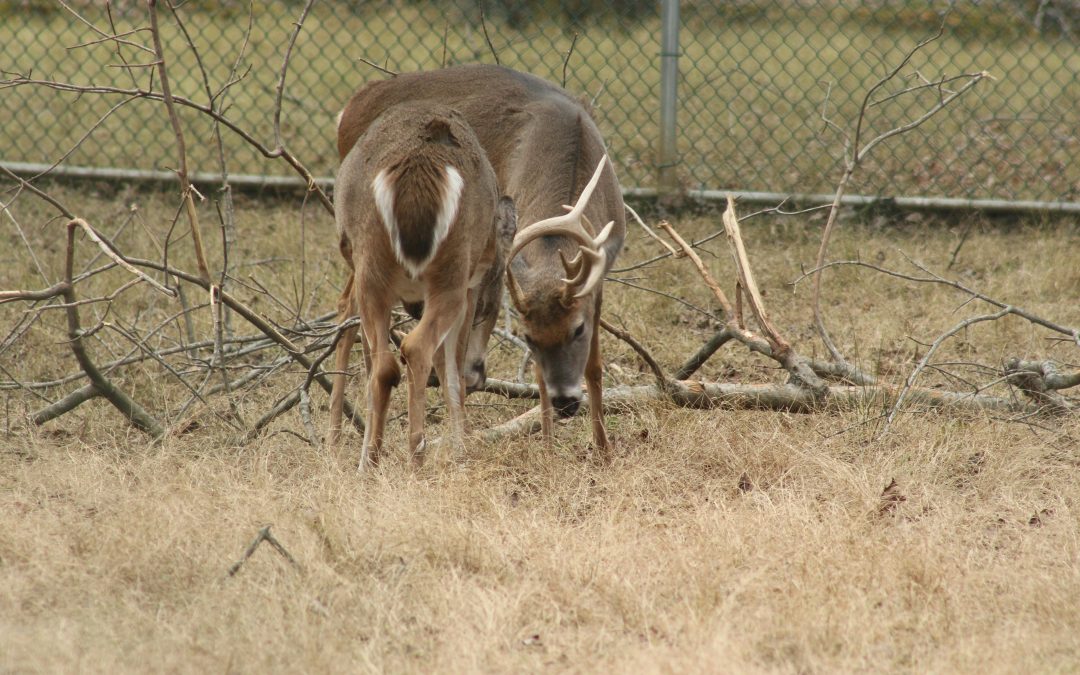
If you love gardening, you know how much effort goes into growing healthy plants, vegetables, and flowers. But nothing is more frustrating than walking outside to find that deer have turned your hard work into their midnight buffet. That is where a deer fence for garden comes in. It is one of the most effective ways to keep deer out, protect your plants, and give you peace of mind.
Why Deer Love Gardens
Deer are beautiful creatures, but they can cause serious damage in a short time. According to the U.S. Department of Agriculture, deer cause millions of dollars in damage each year to crops, landscaping, and gardens. They are especially drawn to tender vegetables, fruit trees, and colorful flowers.
Because deer can jump as high as eight feet, simple barriers like short fences or netting rarely work. This is why many homeowners turn to a dedicated deer fence for garden solutions.
What Is a Deer Fence for Garden?
A deer fence is a barrier specifically designed to keep deer out of an area. Unlike a traditional garden fence, it is taller and built from materials that discourage climbing or pushing through. Deer fences can be made from different materials depending on your budget and the look you want for your garden.
Common Types of Deer Fences
- Polypropylene mesh fencing: Lightweight, affordable, and nearly invisible from a distance.
- Metal wire fencing: Strong and durable, often used in larger properties.
- Electric fencing: Delivers a mild shock to deter deer but requires careful installation.
- Wooden fencing: Offers a rustic look, though it can be more expensive.
Each type has its pros and cons, but the goal is the same: to keep deer from munching on your plants.
How Tall Should a Deer Fence Be?
One of the biggest mistakes people make is underestimating how high deer can jump. A proper deer fence for garden should be at least 7 to 8 feet tall. Some gardeners even angle the fence outward at the top to discourage jumping.
If you prefer a shorter fence, consider a double-fence system. Deer are less likely to jump over two fences placed a few feet apart because they cannot judge the landing distance easily.
Installing a Deer Fence
Putting up a deer fence might sound complicated, but it can be done as a DIY project if you are handy. Here are some basic steps:
- Measure your garden area: Decide how much fencing material you will need.
- Choose fence posts: Metal T-posts or wooden posts both work well.
- Install the posts: Space them about 8–10 feet apart for stability.
- Attach the fencing material: Whether it is mesh or wire, secure it tightly from the ground up.
- Check for gaps: Deer can squeeze through small openings, so make sure the fence touches the ground.
If DIY is not your style, local fencing companies can install a deer fence for you.
Benefits of a Deer Fence
Adding a deer fence for garden is more than just protecting your vegetables. Here are a few key benefits:
- Peace of mind: No more waking up to half-eaten plants.
- Increased harvest: You get to enjoy more of what you grow.
- Versatility: Many fences also keep out rabbits, raccoons, and other animals.
- Aesthetics: Some fences are designed to blend in, so they do not ruin your garden’s look.
Alternatives to Deer Fencing
If fencing feels too expensive or permanent, there are a few alternatives. However, keep in mind that most are less reliable than a proper fence.
- Deer repellents: Sprays or granules that use strong scents or tastes to discourage deer.
- Motion-activated sprinklers: Startle deer with a quick burst of water.
- Planting deer-resistant plants: Some species like lavender, daffodils, and marigolds are less appealing to deer.
While these methods can help, they often work best when combined with a fence for long-term protection.
Cost of a Deer Fence
The cost depends on the size of your garden and the materials you choose. On average:
- Polypropylene mesh: $1–$2 per foot
- Metal wire: $2–$4 per foot
- Wooden fence: $10–$30 per foot
- Professional installation: $1,000–$3,000+ depending on the area
Although it may feel like a big investment, the long-term savings from protecting your crops and flowers make it worthwhile.
Final Thoughts
If you have been struggling with deer damage, a deer fence for garden is one of the best solutions available. It is reliable, customizable, and effective at keeping your plants safe all year round. From budget-friendly mesh to strong wire fencing, there is an option for every gardener.
So next time you spot deer eyeing your vegetables, you can rest easy knowing your fence is there to protect your hard work. Your garden deserves to flourish without being turned into a buffet, and a deer fence ensures just that.