
If you have ever tried relaxing in your backyard only to hear traffic, honking, or passing conversations from the street, you already know how frustrating outdoor noise can be. A yard is supposed to feel like a peaceful escape, but street noise can easily ruin that experience.
The good news is that the right fencing can make a real difference. Not all fences are created equal when it comes to sound reduction, and that is where smart design choices matter.
Let’s explore privacy fencing ideas that actually block street noise so you can turn your outdoor space into a quieter, more relaxing place.
Why Noise Reduction Fencing Works
Before choosing a design, it helps to understand how sound travels. Noise moves in waves, and hard surfaces like walls and fences can reflect or absorb those waves depending on their structure.
According to the U.S. Environmental Protection Agency, continuous exposure to high noise levels can increase stress and affect overall well-being. Even moderate traffic noise can become irritating over time in residential areas.
That is why effective fencing is not just about privacy. It is also about creating a healthier living environment.
Solid Wood Fencing for Maximum Blockage
One of the most effective privacy fencing ideas that actually block street noise is a solid wood fence.
Unlike spaced or decorative fences, solid panels reduce gaps where sound can pass through.
Benefits include:
- Strong noise reduction
- Natural appearance
- Customizable height and style
For best results, choose thick panels like cedar or redwood. These materials are dense enough to help reduce sound while also being durable outdoors.
Layered Fencing for Extra Sound Barrier
If you want stronger noise control, layering materials can make a big difference.
A layered fence might include:
- A solid wooden base
- Additional acoustic panels
- Greenery or shrubs in front
This combination helps absorb and scatter sound waves instead of letting them pass through easily.
Think of it as creating multiple barriers rather than relying on just one.
Vinyl Fencing With Added Insulation
Vinyl fencing is popular because it is low maintenance and weather resistant. On its own, it does not always block sound effectively. However, when paired with insulation or dense backing, it becomes much more efficient.
Some homeowners add:
- Foam soundproofing layers
- Double-panel vinyl designs
- Reinforced posts for stability
This makes vinyl a practical option for modern homes looking for privacy fencing ideas that actually block street noise without heavy upkeep.
Masonry or Brick Walls for Strong Sound Control
If you are serious about reducing noise, masonry fences are one of the most effective options.
Brick, stone, or concrete walls are dense and heavy, which helps block sound more effectively than lighter materials.
Advantages include:
- Excellent noise reduction
- Long-lasting durability
- Strong visual privacy
These walls also reflect less sound compared to thinner materials, making them ideal for homes near busy roads.
Adding Green Barriers With Fencing
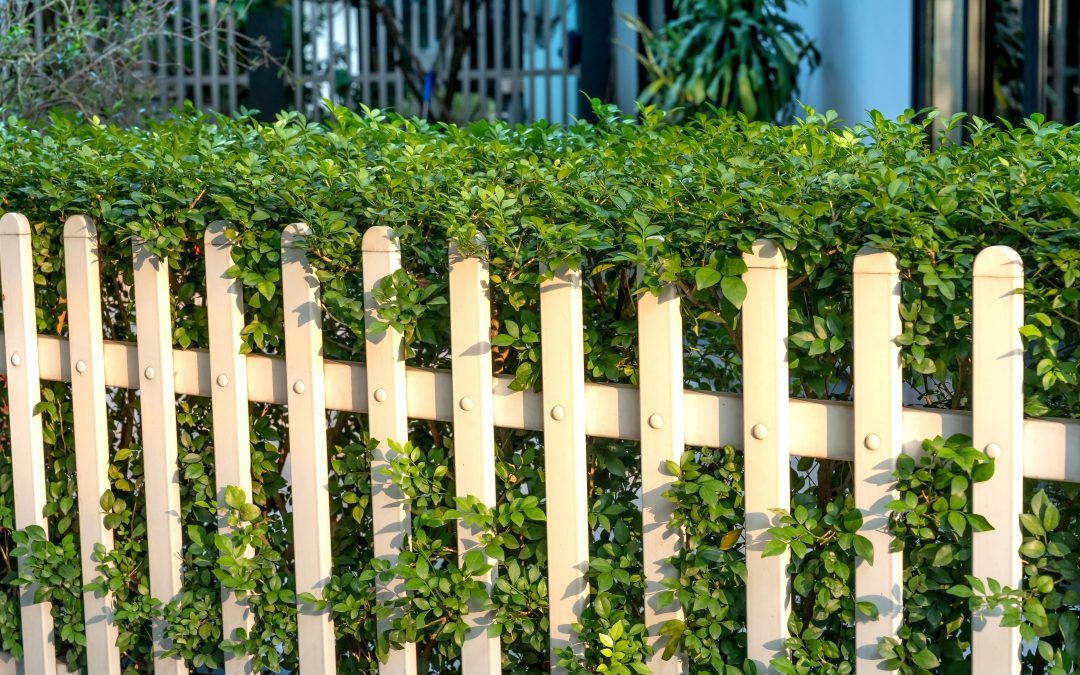
Plants alone may not block noise completely, but when combined with fencing, they significantly improve sound reduction.
Dense greenery helps absorb and scatter sound waves.
Popular choices include:
- Evergreen shrubs
- Bamboo plants
- Thick hedges
A study published in the Journal of Environmental Horticulture found that dense vegetation can reduce perceived noise levels by several decibels when properly placed.
This makes green barriers a smart addition to your privacy fencing ideas that actually block street noise.
Double Fence Design for Extra Protection
A double fence system uses two layers of fencing with a gap in between.
This design works because sound loses energy as it passes through multiple barriers.
It typically includes:
- An outer fence facing the street
- A second inner fence closer to the home
- A space filled with plants or gravel
This setup is especially effective in high-noise areas and can significantly improve backyard comfort.
Fence Height and Placement Matter
Many people focus only on materials, but height and placement are just as important.
Higher fences block more direct sound paths, while strategic placement helps redirect noise away from living spaces.
Tips include:
- Installing fences at least 6 to 8 feet tall where allowed
- Positioning fences closer to the noise source
- Avoiding large gaps at the bottom
Even small adjustments can improve overall noise reduction.
Acoustic Fence Panels for Modern Solutions
For homeowners looking for advanced options, acoustic fence panels are designed specifically for sound control.
These panels are engineered with materials that absorb and reduce noise rather than just block it.
They are often used in urban areas and can be integrated into existing fences.
Benefits include:
- High sound absorption
- Sleek modern appearance
- Easy installation in some cases
These are one of the more advanced privacy fencing ideas that actually block street noise effectively.
Why Installation Quality Matters
Even the best materials will not perform well if installed poorly.
Gaps, loose panels, or uneven sections can allow sound to pass through easily.
Professional installation helps ensure:
- Proper sealing between panels
- Strong structural support
- Consistent height and alignment
Attention to detail during installation makes a noticeable difference in performance.
Combining Strategies for Best Results
The most effective noise reduction often comes from combining multiple methods.
For example:
- Solid wood fence with dense shrubs
- Brick wall with interior greenery
- Vinyl fencing with acoustic backing
Layering solutions creates a stronger overall barrier than relying on just one approach.
Final Thoughts
Street noise can quickly take away the comfort of your outdoor space, but the right fencing choices can bring that peace back.
The best privacy fencing ideas that actually block street noise focus on density, height, layering, and smart placement. Whether you choose wood, brick, vinyl, or greenery, the key is to create barriers that interrupt sound before it reaches your space.
With the right setup, your backyard can feel quieter, more private, and much more enjoyable.